The compliant carrier supply is thinning, domestic shipment declines are easing, and truckload rates are increasing. Retailers are pulling merchandise forward ahead of tariffs, fuel pressure, and a shorter booking window at the ports. Meanwhile, routing guides are falling apart, and contract prices negotiated just months ago may already be too low.
Amazon is adding another layer by opening its LTL network to locations beyond its own facilities, offering shippers a new nationwide option. In manufacturing, factory output was flat in May, although defense, electronics, and data-center-linked industries continued to post gains.
Continue reading to find out the latest news shaping the world of freight.
Truckload Volumes Near Turning Point as Rates Climb
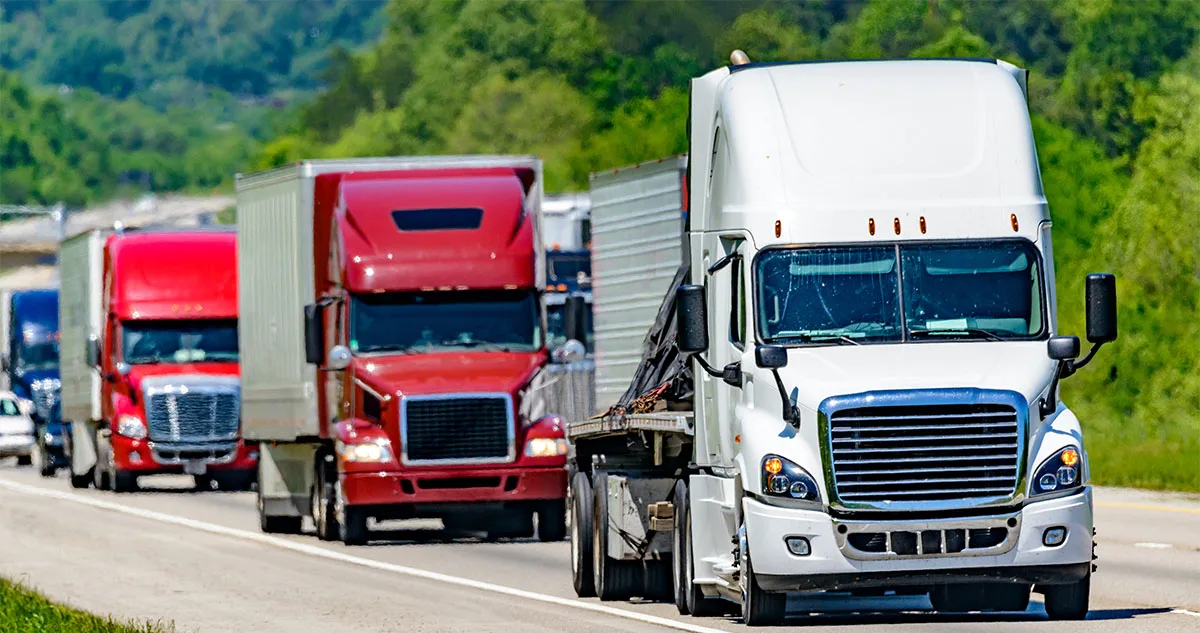
According to Cass Information Systems, U.S. freight demand could turn positive again after 40 consecutive months of declines. May shipments were down 1.2% from a year earlier, the smallest decline in 18 months, and up 3% from April. Shipments fell 0.3% on a seasonally adjusted basis.
Assuming normal seasonal patterns, Cass expects the shipments index to grow 1.8% year over year in the second half of 2026. Prices have already risen. Freight spending jumped 7.5% year over year, the biggest increase since late 2022, while the Truckload Linehaul Index climbed 6.9%, its biggest increase in nearly four years. While it’s not a sharp rebound in demand, reduced equipment and driver supply are supporting rates.
Retailers Speed Up Imports Amid Tariff, Fuel Cost Worries
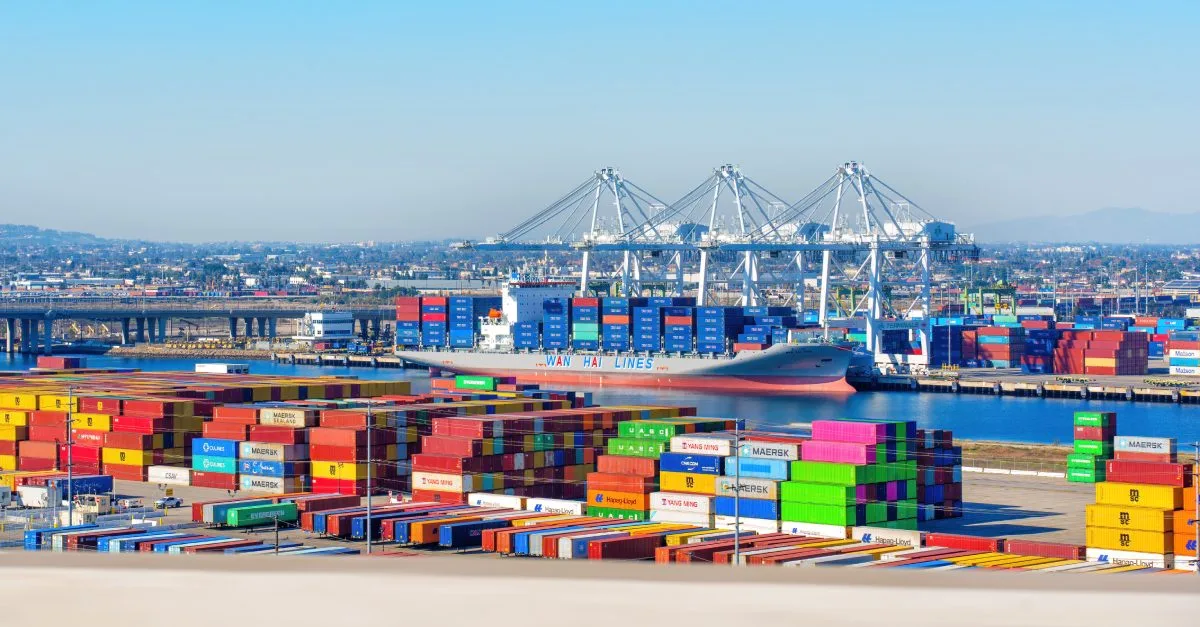
U.S. retailers are accelerating ocean shipments amid worries that tariffs and fuel prices will push up costs later this summer. The National Retail Federation anticipates June imports to climb 14.3% year over year, indicating a peak season that could come earlier and spill into July before volumes settle.
C.H. Robinson says booking windows have expanded from two weeks to five, making it harder for shippers to secure their preferred departures. Carriers have further bolstered higher prices with blank sailings, general rate increases, and peak season surcharges after a tough first quarter.
Routing Guides Break Down as Carrier Supply Tightens
As routing guides lose coverage and tender rejection rates increase, early signs suggest truckload contracts are falling apart in the 2026 bid season. J.B. Hunt said mini bids have surged, with some shippers rebidding their entire freight books as compliant trucks become more difficult to find.
Carrier executives cited the tightening of driver, cabotage, CDL, and ELD rules, as well as the Supreme Court’s Montgomery broker liability ruling. Fewer than 50,000 carriers may meet or exceed acceptable safety standards. And new entrants may be put off by the costs of climbing equipment, insurance, and fuel.
Carriers are now anticipating mid- to high-single-digit contract increases, with some shippers already seeing double-digit increases.
Factory Output Stalls as War-Related Costs Hit Production
U.S. manufacturing output was unchanged in May after four straight monthly increases, missing economists’ estimate for a 0.3% increase. The April gain was revised up to 0.7%. Total industrial production increased a scant 0.1%.
The pause could be evidence that supply disruptions and higher costs linked to the war in Iran are starting to limit factory activity. Manufacturing excluding motor cars was also flat. Durable goods output continued to increase, but nondurable production declined as petroleum and coal products, plastics and rubber, and textiles weakened.
Mining output rose 1.3%, and utilities declined. Industries linked to data centers, such as computers, electrical equipment, machinery, and metals, grew further. Output of defense and space equipment rose for a sixth month in a row to its highest level since December 2019.
Amazon Opens LTL Network to Nationwide Deliveries
Amazon Supply Chain Services has extended its less-than-truckload service beyond deliveries to Amazon facilities. Now, shipments can be sent to third-party warehouses, distribution centers, retail partners, and other locations across the U.S.
The move comes a month after Amazon decided to open its broader logistics network to companies outside its marketplace. The network consists of more than 80,000 trailers, 24,000 intermodal containers, over 100 aircraft, and access to warehousing, distribution, and fulfillment services. Amazon’s expansion makes it a more general commercial freight service for companies with different shipment sizes and delivery destinations.
Seamless Freight Operations With Zengistics
Zengistics is a company that prioritizes shippers’ peace of mind above all else. Our goal is to achieve scalable growth and offer personalized solutions to optimize your supply chain nationwide. At Zengistics, we leverage technology to ensure that and more. We offer tailored transportation, visibility and transparency, predictive analysis, and dynamic route optimization. Speak to one of our experts today.