
In the past, transporting bulk liquids safely and successfully mandated owning or partnering with expensive tanker fleets. But that restricted capacity, inflated freight costs, and in many cases, delayed time-sensitive orders. Today, bulk liquids can be moved safely without traditional tankers, using standard containers and smart liners called flexitanks. This article explains when flexitanks outperform tankers and how they unlock safer, scalable liquid shipping without specialized equipment.
Flexitanks Are Turning Dry Containers Into Liquid Carriers
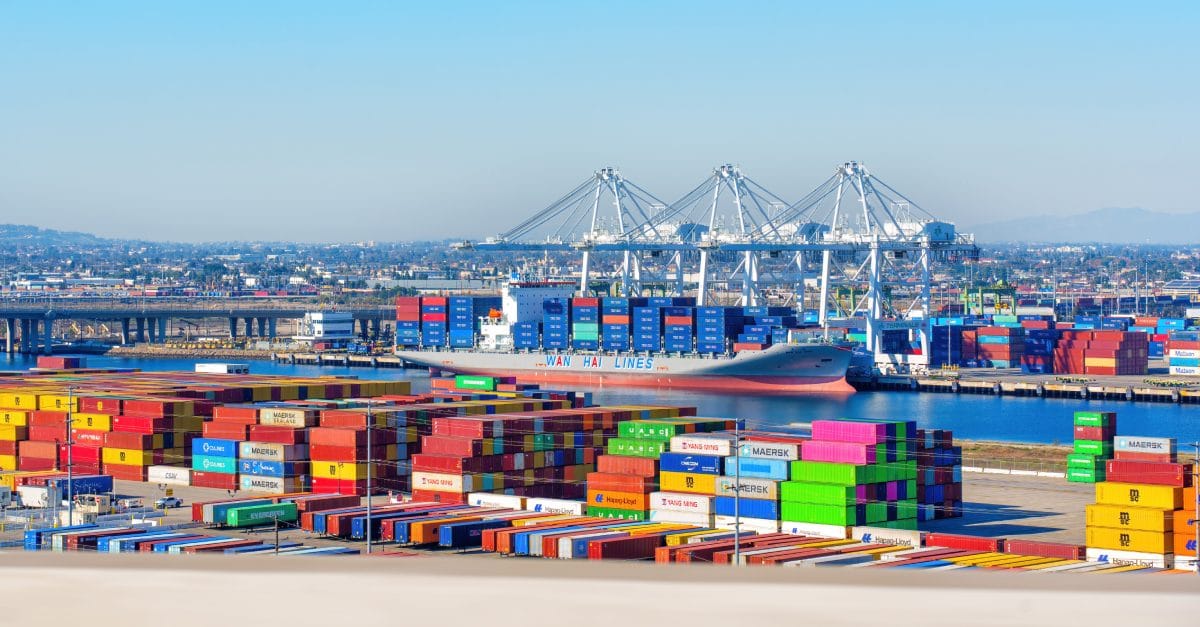
Flexitanks are single-use, multilayered liners inserted into standard twenty-foot equivalent shipping containers. Once installed, they convert dry containers into sealed, food-grade tanks capable of holding up to 24,000 liters of nonhazardous liquids.
It is an approach to transporting bulk liquids that works best for products such as edible oils, juice concentrates, syrups, wine, and liquid sweeteners — basically, cargo that doesn’t need pressurization or constant temperature control. Many food and beverage companies now use flexitanks to reach global markets faster, without waiting for dedicated tanker availability.
Tanker Trucks Are Still Essential, But Only in Certain Scenarios
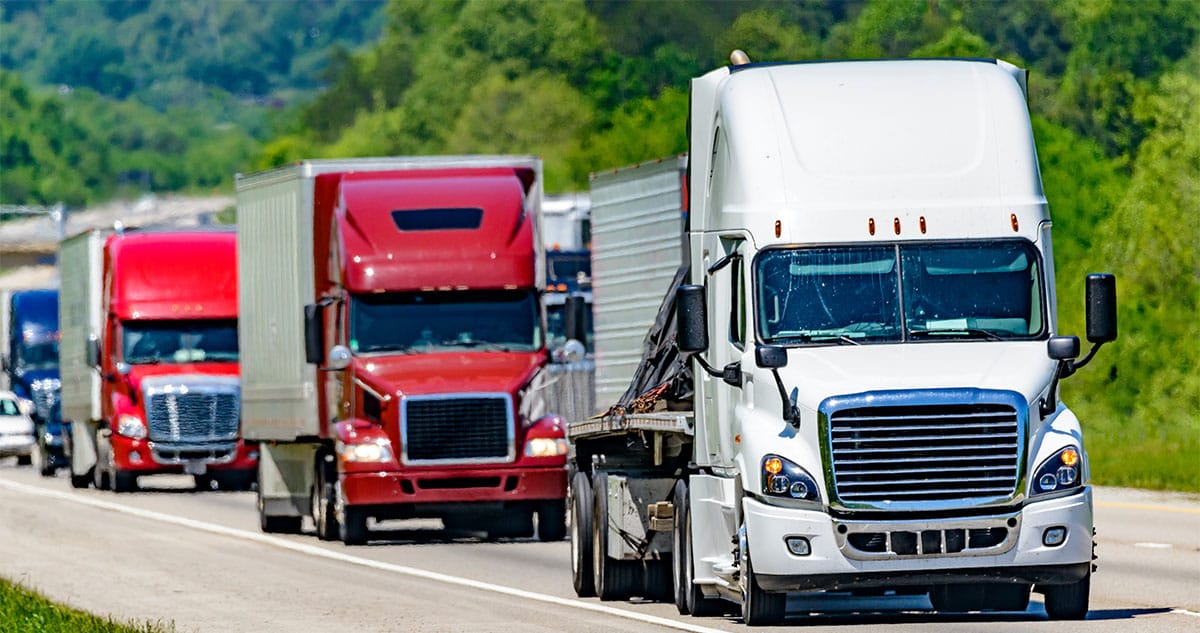
Tanker trucking remains vital for shipments that require insulation, pressure, or highly controlled conditions. These trucks and tankers are purpose-built to haul sensitive liquids, including dairy, ethanol, glycerin, and certain chemicals. They offer faster loading and unloading, with no container handling or transloading involved.
However, the tankers also have limitations. They’re expensive, scarce during peak seasons, and often unavailable for one-way or international lanes. Many carriers avoid certain destinations due to long backhaul gaps, making flexibility a core challenge. Take, for example, a Pennsylvania-based dairy producer that still uses tankers to move milk concentrate across state lines because quality and temperature stability are nonnegotiable. In that case, the extra cost protects the end product.
Flexitanks vs. Tankers: What Every Shipper Should Compare
Choosing between flexitanks and traditional tankers depends on your product type, route, and risk tolerance. Here’s how to weigh the options.
1. Cost and Availability
Flexitanks are less expensive upfront. They use standard equipment, containers already in transit through ports, and avoid high daily rental rates associated with tanker fleets. Shippers in regions with tight tanker access benefit most. But ultimately, although tanker trucks may cost more, they are better for shorter, repeatable domestic routes when quick turnaround matters.
Zengistics gives shippers greater flexibility to plan routes, select lanes, and control costs without relying on specialized equipment or fixed tanker schedules.
2. Product Compatibility
Flexitanks carry only nonhazardous liquids, including food-grade products such as vegetable oil, juice, and liquid egg. They’re not fit for hazardous chemicals or products that react with container materials. On the other hand, tanker trucks can handle a broader range of loads, including volatile or pressurized substances, and are often required by regulation.
3. Regulatory Pressure
Both options must meet industry safety standards. Flexitanks must pass tests conducted by the Container Owners Association (COA) and comply with food-grade handling protocols. Tankers fall under DOT and FSMA regulations and are often subject to stricter inspections. According to the COA, flexitanks must withstand rupture pressure and stacking loads to qualify for food shipments.
4. Environmental Impact
Flexitanks are single use, but newer models are recyclable and made from eco-safe polymers. However, the disposal logistics vary by region. Tankers are reusable, which reduces packaging waste, but they burn more fuel, require frequent washouts, and leave a larger carbon footprint per mile.
When Flexitanks Are the Better Option
When moving bulk liquids, there are specific conditions in which flexitanks are a better option than tankers, both in cost and control. These include:
- When backhaul isn’t guaranteed.
- Export shipments to distant markets.
- Low-frequency or one-off shipments.
- Limited access to food-grade tankers.
Flexitanks work well in lanes where truckers avoid one-way freight due to imbalance and empty miles. Flexitanks also thrive in long-haul ocean or intermodal lanes where tankers are too expensive or unavailable. And if you ship in bulk only once per quarter, flexitanks eliminate the need for long-term carrier contracts.
In addition, capacity isn’t an issue with flexitanks. Remote plants or terminals often struggle to source sanitary tankers. Containers, however, are always nearby.
Choosing the Right Option With Zengistics
Flexitanks and tanker trucks aren’t rivals. They’re tools, and knowing when to use each ensures better control over your bulk liquid logistics and scale without adding fleet pressure. But the most efficient supply chains use both — matching cargo type, route length, and season to the right method. That’s where real gains happen.
At Zengistics, we help companies unlock the right mode for every load, whether that means tankers, flexitanks, or something in between. We offer refrigeration or protection from freeze, support higher yield levels, and enable easier just-in-time pickups and deliveries aligned with each customer’s own schedules. By leveraging standard containers, reefers, and dry vans, we expand capacity, reduce delays, and open lanes that traditional tanker-only strategies cannot support. Connect with us today.